
 E-mail
 TronClass teaching system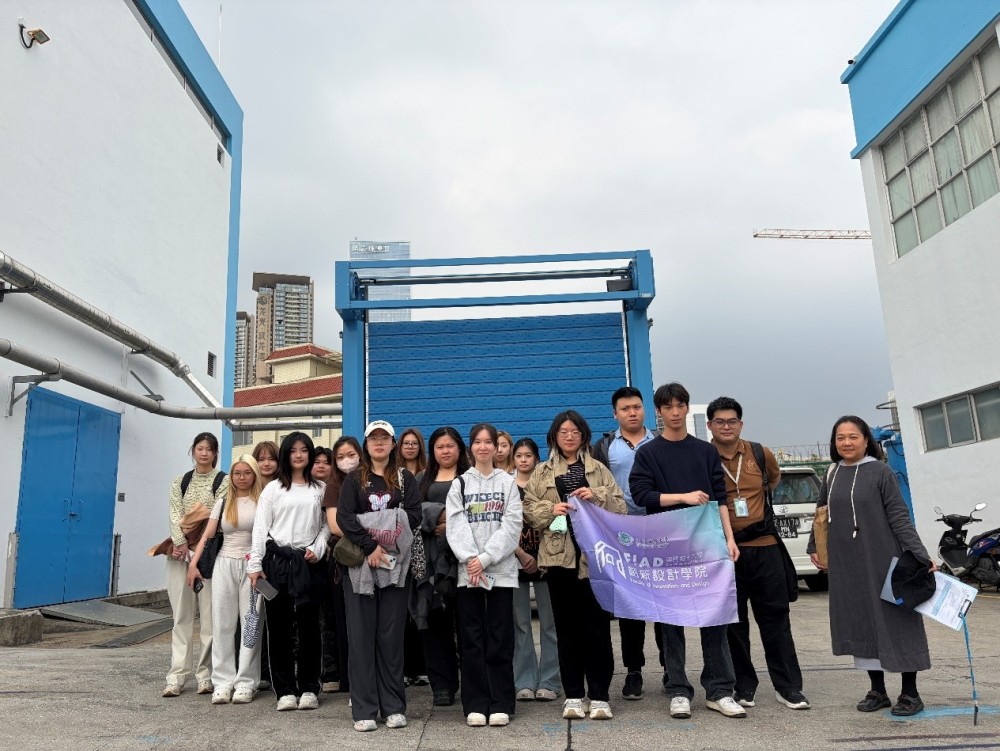
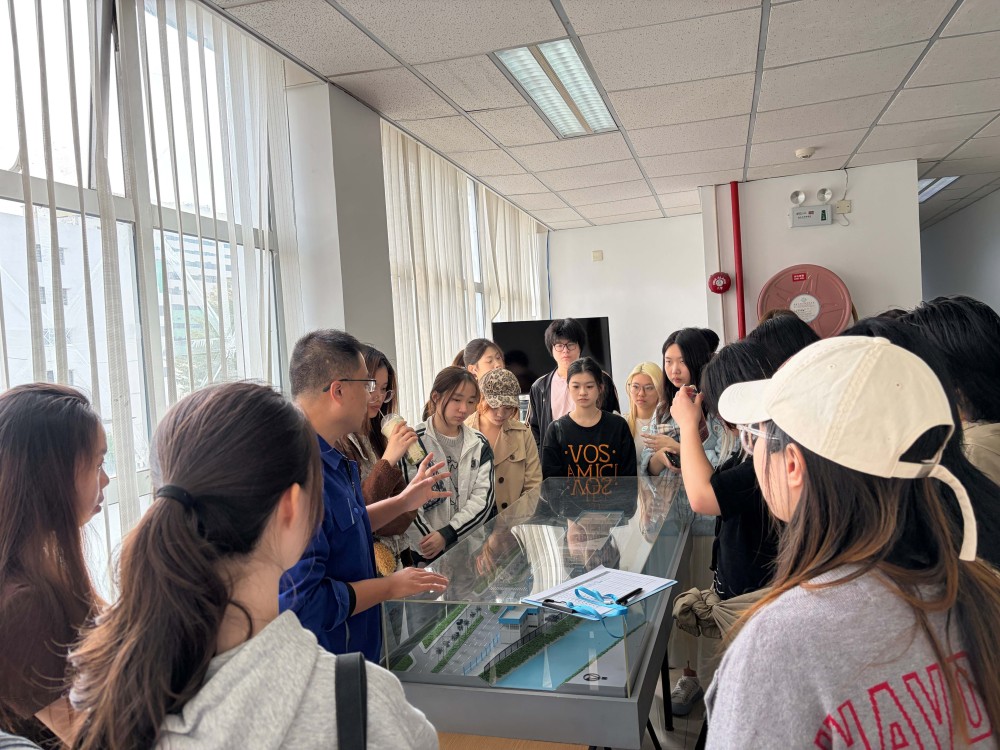
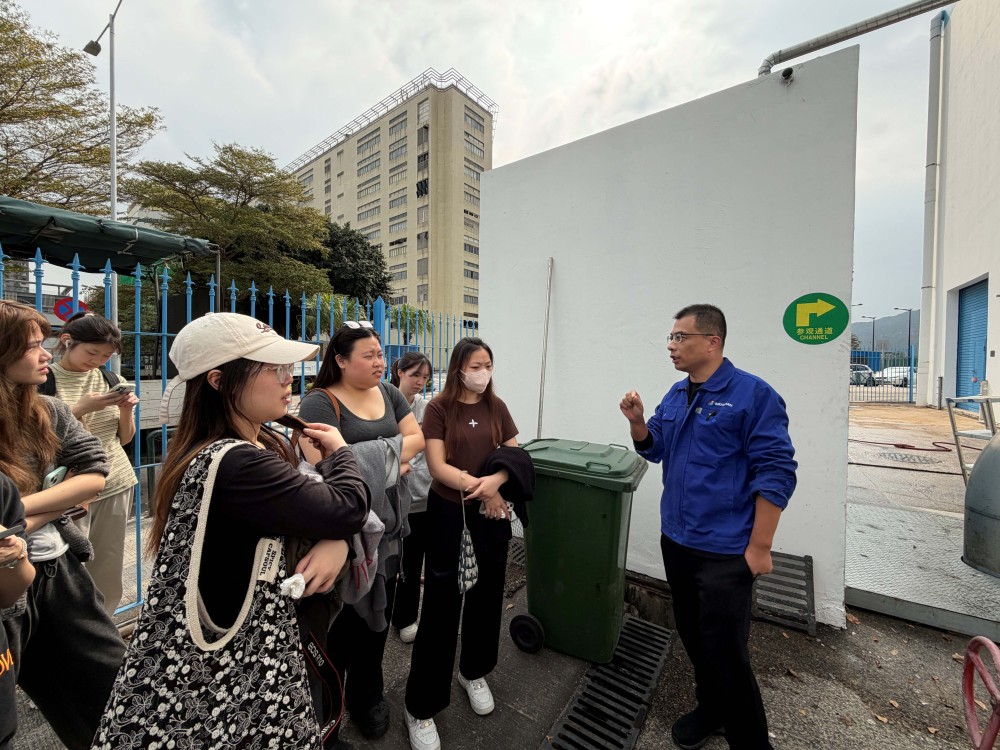
On February 11, 2026, the Public Art Course students from Bachelor of Arts in Design program at Faculty of Innovation and Design, led by lecturer Meng-Shun LEE, visited the "Macau Cross-Border Industrial Zone Wastewater Treatment Plant," where the plant's professionals provided insightful explanations.
The "Macau Cross-Border Industrial Zone Wastewater Treatment Plant" features a sealed design and an odor control system to ensure no impact on the surrounding area. The sludge generated during wastewater and sludge treatment is dewatered and transported to the Macau Waste Incineration Centre for incineration.
Through explanations from staff and visits to wastewater treatment facilities, students can learn about the sources of wastewater in Macau and understand the pretreatment process. This activity not only helps students understand the processes and technologies used in Macau's wastewater treatment but also demonstrates the application of science and technology in daily life, while raising their awareness of water conservation.
This visit primarily guided students to observe and practice public art in environmental protection infrastructure, and aimed to encourage them to reflect on the commonalities between art and the public good. The visit not only enriched the diverse teaching methods of the course and broadened students' academic horizons, but also strengthened their awareness of social responsibility and sustainable development.
Written by Meng-Shun LEE
Student Reflections
Xiong Chencheng (Environmental Design)
"This practical activity has benefited me greatly and completely changed my superficial understanding of wastewater treatment: only after seeing it with my own eyes did I realize that behind every drop of clean water lies a complex and arduous process.
When I learned that I would be visiting a wastewater treatment plant, I thought it would be dirty, messy, and smelly, but I was surprised to find that the plant was clean and orderly. From the outside, it was a small group of clean and brightly colored buildings, with greenery and landscaping in many places. Inside the office area, I could even see some small models and artistic installations on the theme of water treatment, which made me feel that this place was full of warmth and beauty.
This visit also gave me new insights into the commonalities between public art and public facilities. Wastewater treatment plants are public works projects that serve the public and improve the environment, while the core of public art is also to serve people, be close to life, and beautify public spaces. Although they may seem unrelated, their core is highly consistent: both are based on public interest and silently create value for the city and society. Public art is not just sculptures placed in squares; wastewater treatment plants, by presenting ecological concepts and purification processes in a visual and landscape-like way, are themselves a form of practical public art—they use technology to achieve ecological beauty and use function to interpret public responsibility".
.jpg)
.jpg)
