
 E-mail
 TronClass teaching system
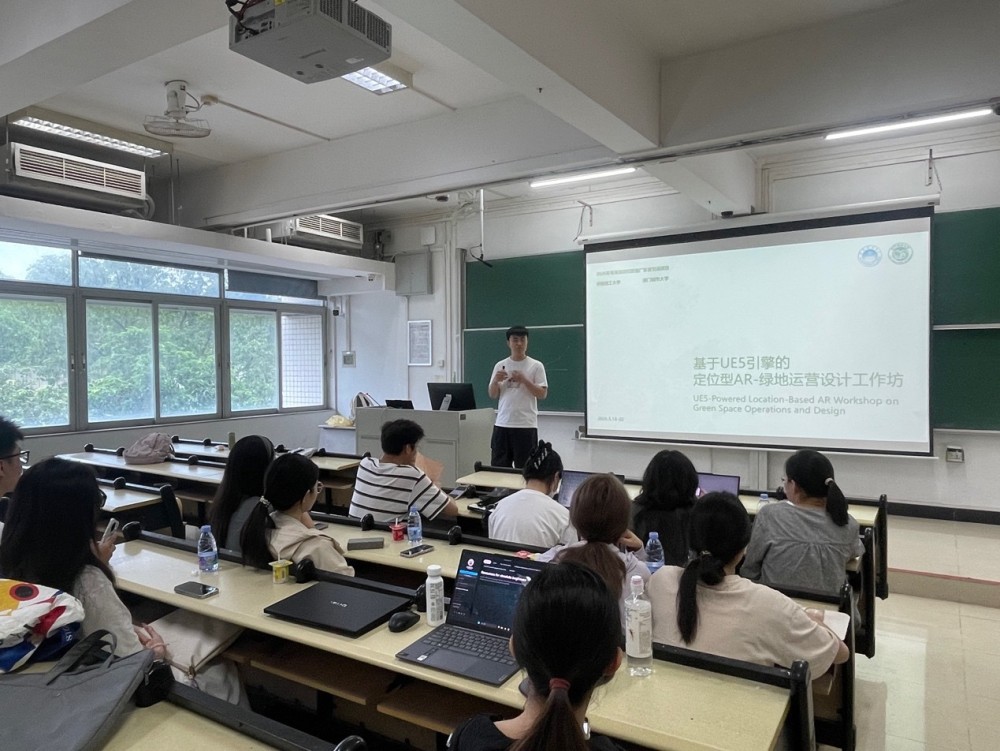
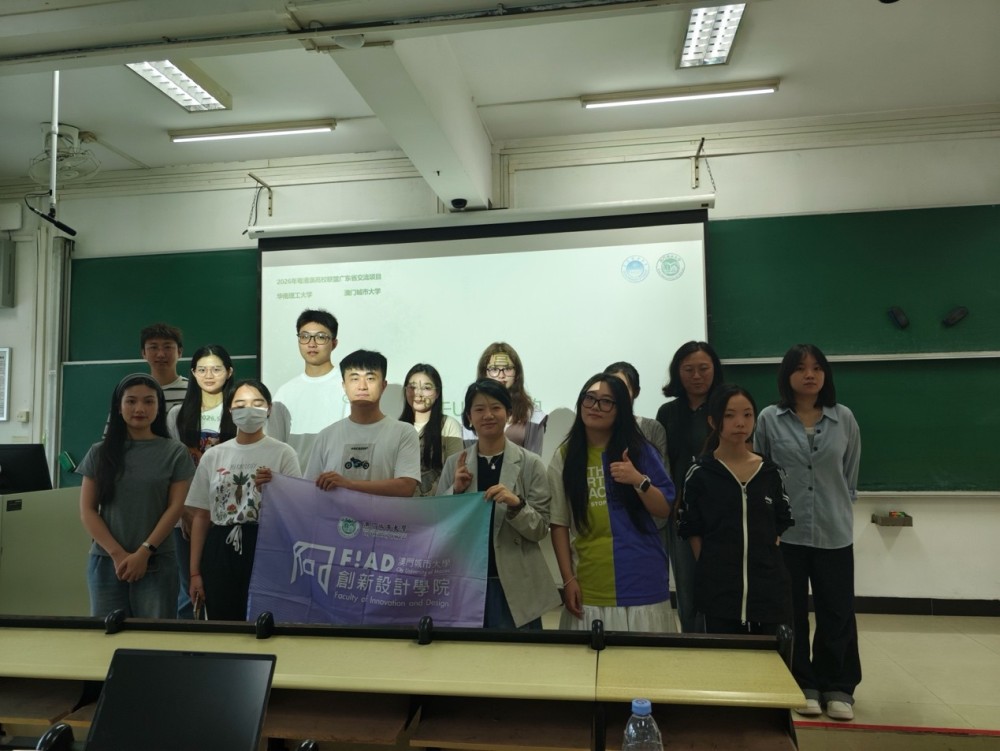
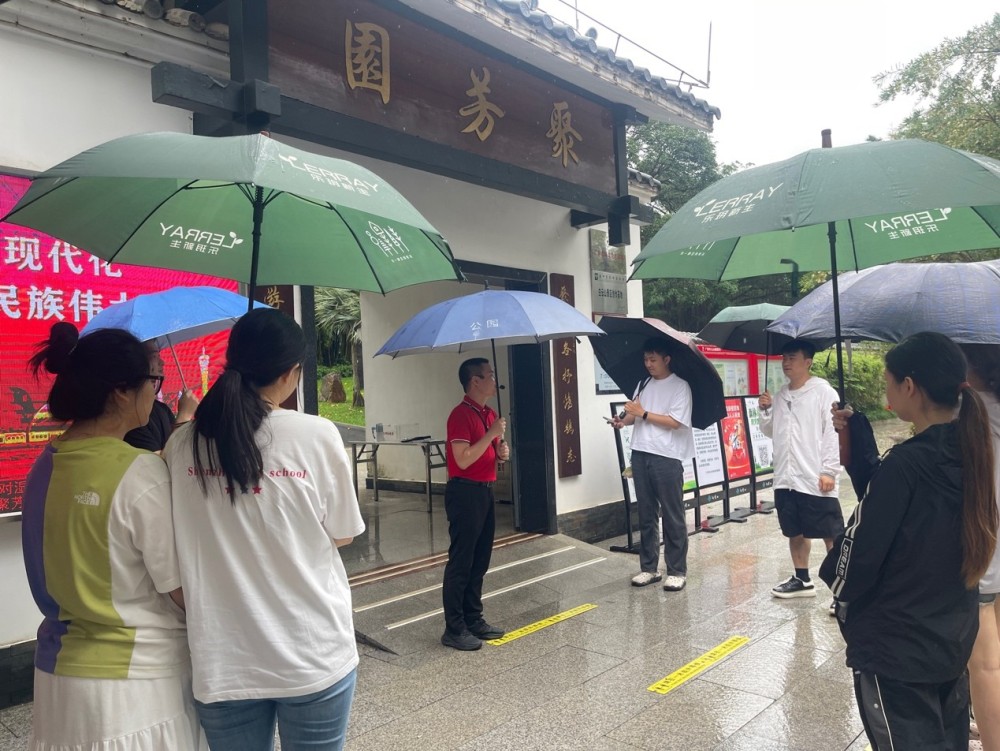
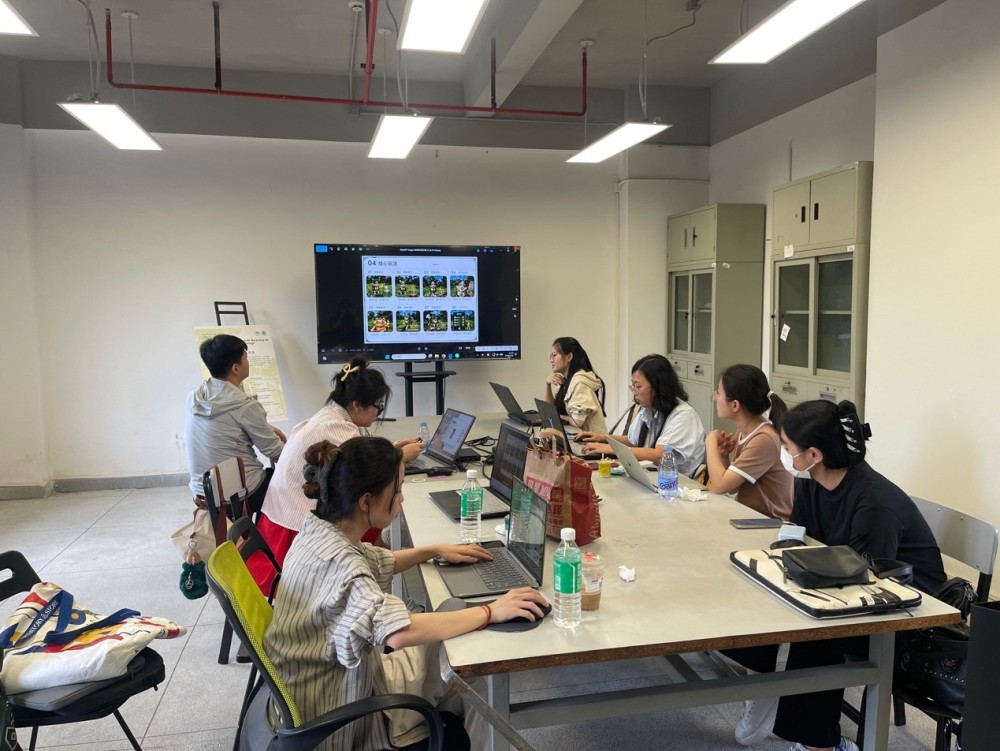
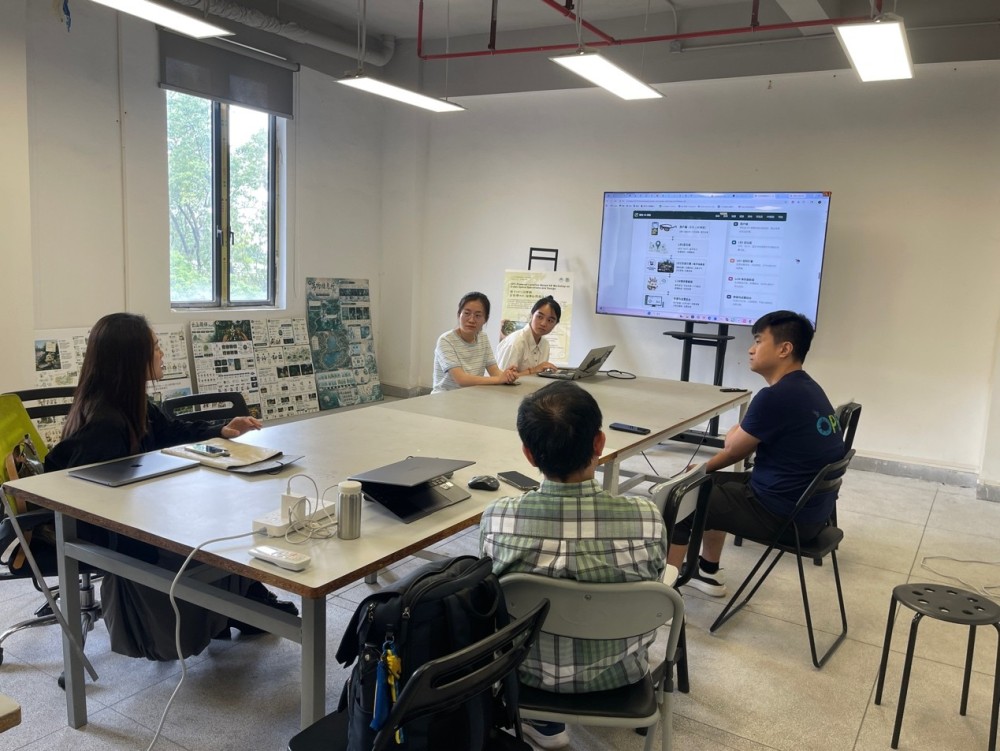
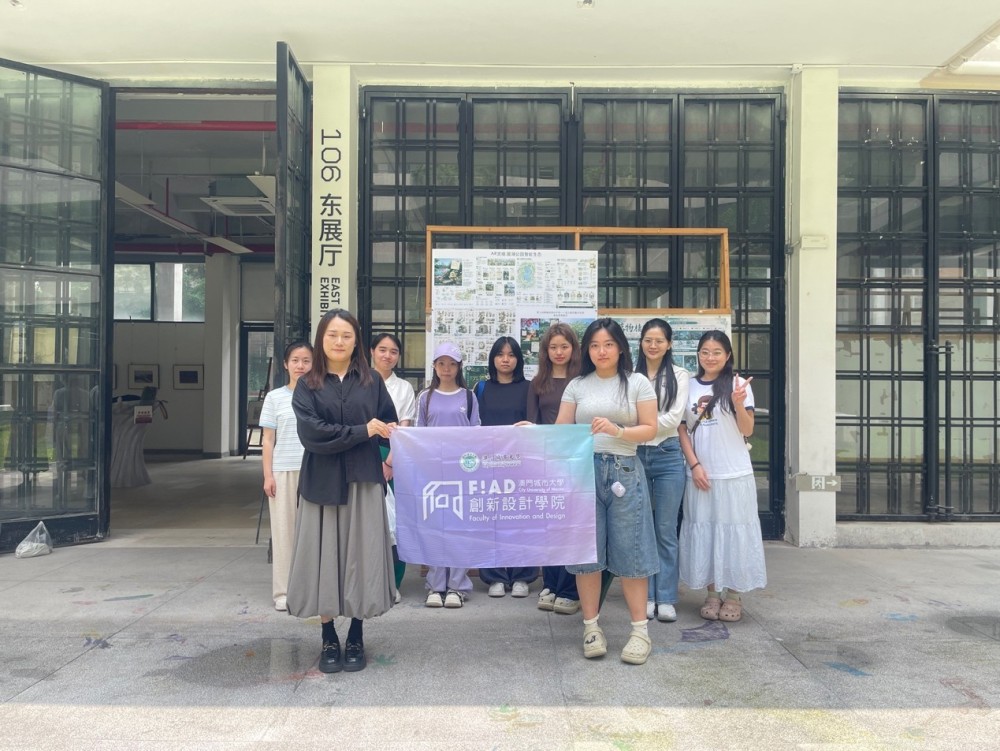
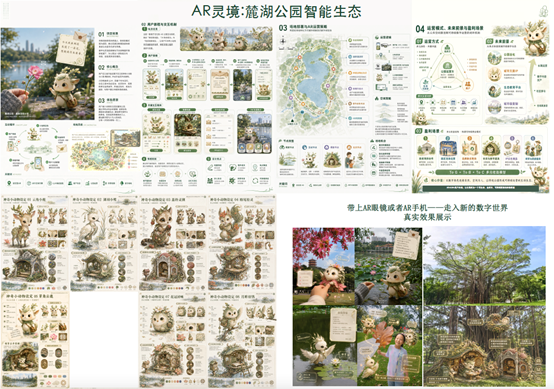
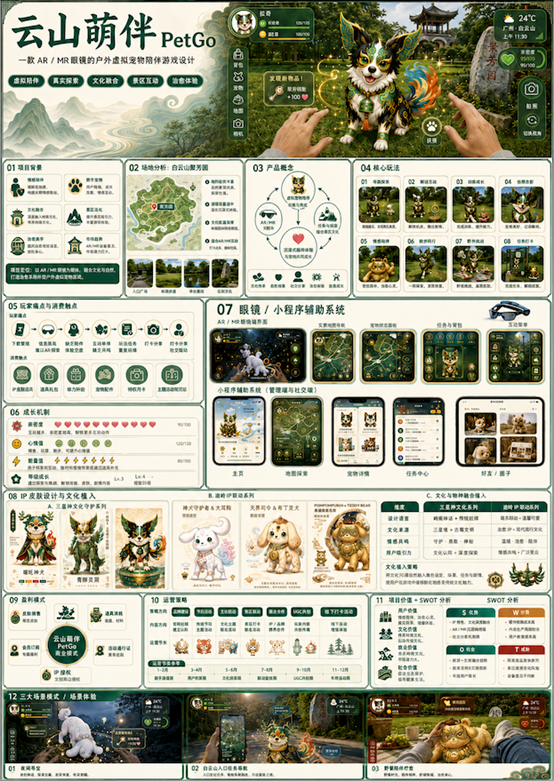
From May 18 to 22, 2026, the academic symposium and workshop titled "2026 Guangdong-Hong Kong-Macao University Alliance Guangdong Exchange Programme — Innovative Exploration of Digital Gamification and the Enhancement of Ecological Services in Urban Parks of the Greater Bay Area", hosted by the School of Architecture of South China University of Technology (SCUT), was successfully held at SCUT's Wushan Campus in Guangzhou. Faculty members and students from the Faculty of Innovation and Design (FIAD), City University of Macau, and the School of Architecture, SCUT gathered together to engage in in-depth academic exchange and collaboration on topics including urban park operation, AR gamification design, historic park conservation, and public space innovation.
The workshop was coordinated by Professor Lin Guangsi, Associate Dean of the School of Architecture at SCUT, with participation and organisation support from Postdoctoral Researcher Tian Yuxuan and PhD candidate Yang Xiaowei. The FIAD delegation was coordinated by Assistant Professor Ni Kang, while Postdoctoral Researcher Lai Yafeng led FIAD's postgraduate and doctoral students in participating throughout the programme. Participating FIAD students included Zhang Yinyin, Song Jiayi, Yu Xin, Jiang Chenfei, Lao Huiyi, Wong Wing Sam, Ren Yu, Li Mingfan, and Luo Siru.
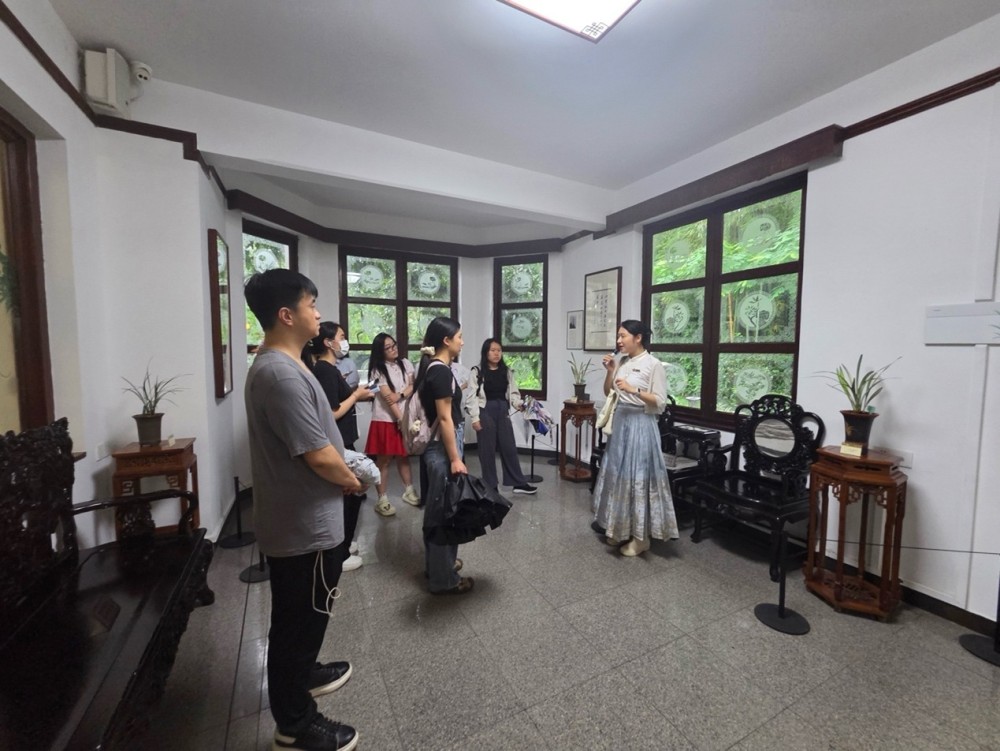
During the event, faculty members and students from both institutions explored the integration of digital technologies and urban green spaces through academic presentations, workshops, field investigations, and open discussions. Participants also conducted on-site studies at Baiyun Mountain Mugu Park and Guangzhou Orchid Garden, examining recreational behaviour, spatial operation, and the potential integration of AR technologies into urban park environments.
As one of the organisers and instructors of the workshop, Tian Yuxuan noted that the intensive and immersive exchange not only facilitated innovative explorations into the integration of digital gamification and urban parks, but also encouraged deeper reflection on the complex relationships among park planning, spatial design, technological implementation, and operational management through cross-institutional collaboration and co-creation. He remarked that the programme represented both mutual learning and reciprocal empowerment, providing him with a clearer and more comprehensive understanding of the future potential of virtual-physical integration and digital empowerment in urban green spaces.
During the workshop, FIAD students Wong Wing Sam and Lao Huiyi presented their project Habitat Haven. Wong stated that the exchange experience allowed her to reconsider the possibilities of combining urban parks with game design, while the feedback from instructors further clarified the project’s design logic and implementation details. Lao described the workshop as a "design check-up", noting that the instructors' questions helped resolve previously vague concepts and strengthened her determination to continue pursuing digital design research and practice.
This exchange programme further promoted academic interaction between universities in Guangdong and Macao in the fields of digital design, urban landscape, and public space innovation, while also laying a solid foundation for future inter-university collaboration and the cultivation of young talents.
