
 E-mail
 TronClass teaching system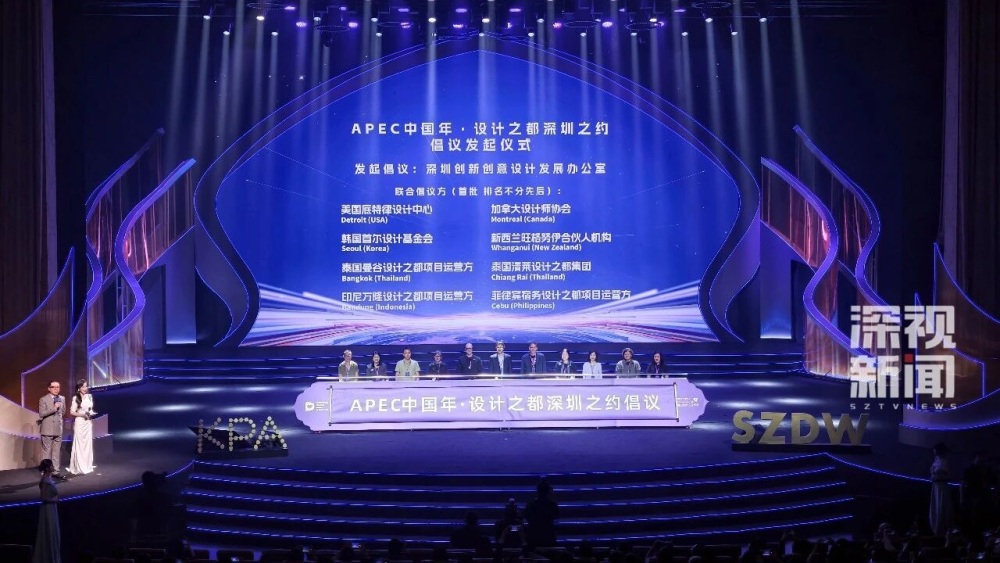
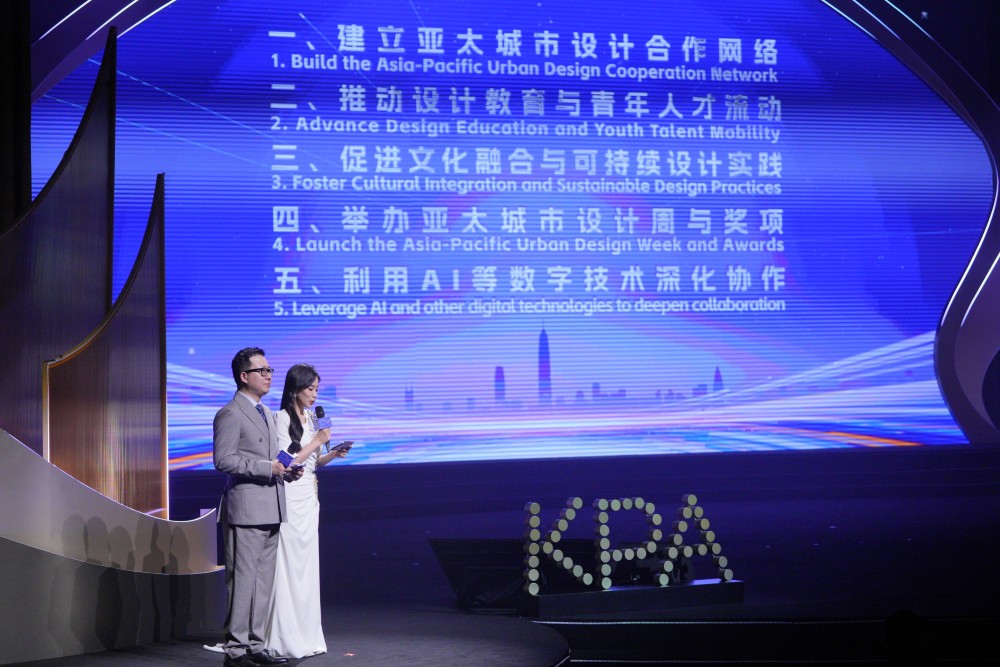
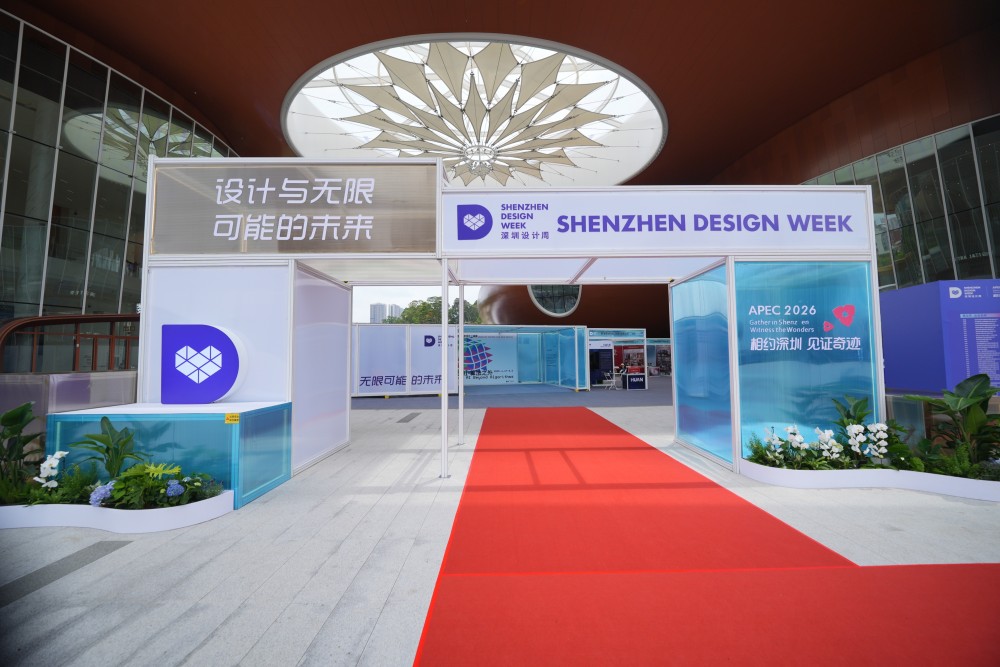
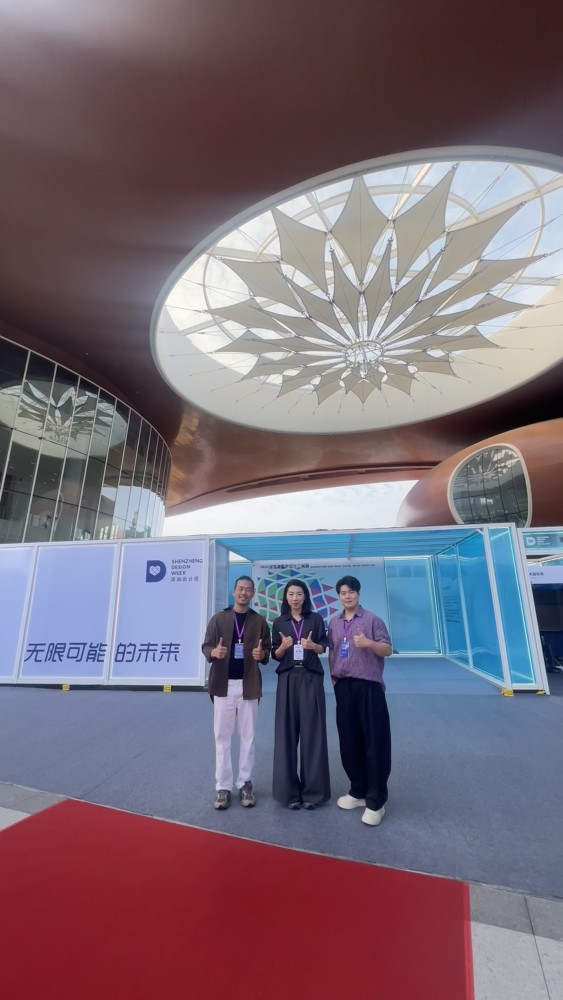
On April 27, 2026, the Opening Ceremony of 2026 Shenzhen Design Week and the Global Design Awards "Kunpeng Award" Ceremony were grandly held at the Longgang International Art Center in Shenzhen. As a major annual event in the global design field, this year's Shenzhen Design Week, themed "Design Integrates Cities", brought together leading design institutions, universities, and industry pioneers from around the world to explore future pathways for design-driven urban development.
.JPG)
At the opening ceremony, the Faculty of Innovation and Design of City University of Macau officially joined the "2026 Shenzhen Design Week Global University Alliance", marking its deeper integration into international platforms for design education and industry collaboration. Initiated by Shenzhen Design Week, the alliance aims to connect global design schools and resources, promote the deep integration of education, research, and industry practice, establish long-term and stable international cooperation mechanisms, and facilitate the exchange and transformation of design outcomes across broader contexts. The participation of City University of Macau will further strengthen the collaborative development of design education and innovation ecosystems in the Guangdong–Hong Kong–Macao Greater Bay Area.
.jpg)
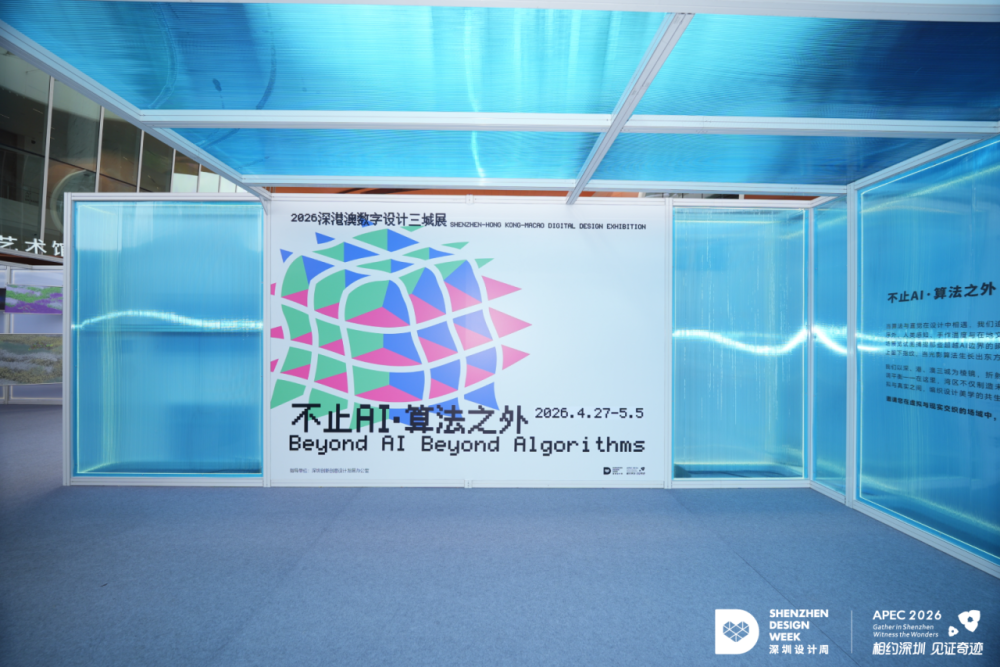
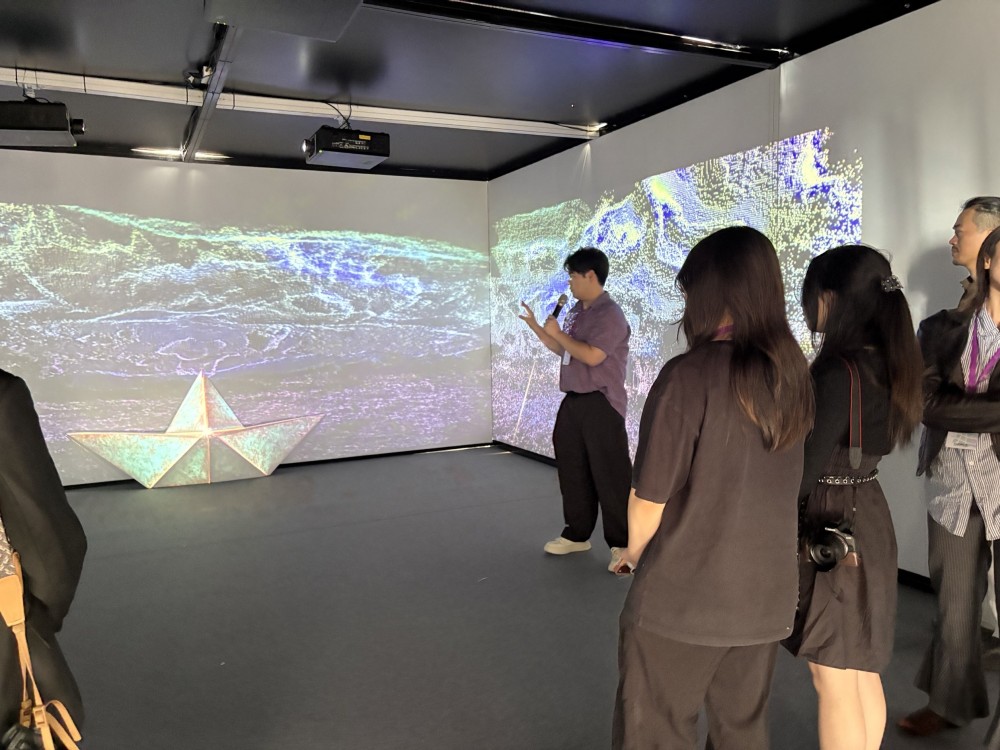
During the same period, the "Shenzhen–Hong Kong–Macao Digital Design Three-City Exhibition", a key exhibition segment of Shenzhen Design Week, showcased cutting-edge achievements in digital creativity and design from the three cities. The outcomes of the 2025 China National Arts Fund Talent Training Program, led by Assistant Professor Jing Liu from the FIAD, were invited for exhibition. Focusing on the integration of Urban Public Art and Cultural Tourism, the project explored the multidimensional value of design in urban cultural and social development through practice-oriented research and creative production. Its outcomes attracted widespread attention at the exhibition.
.JPG)
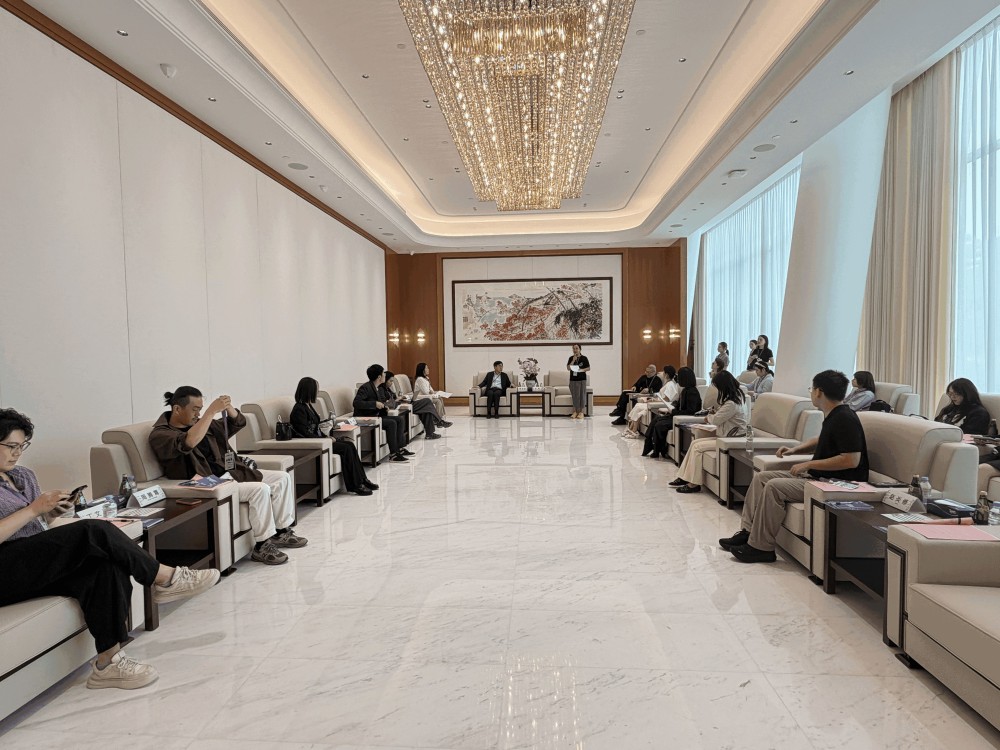
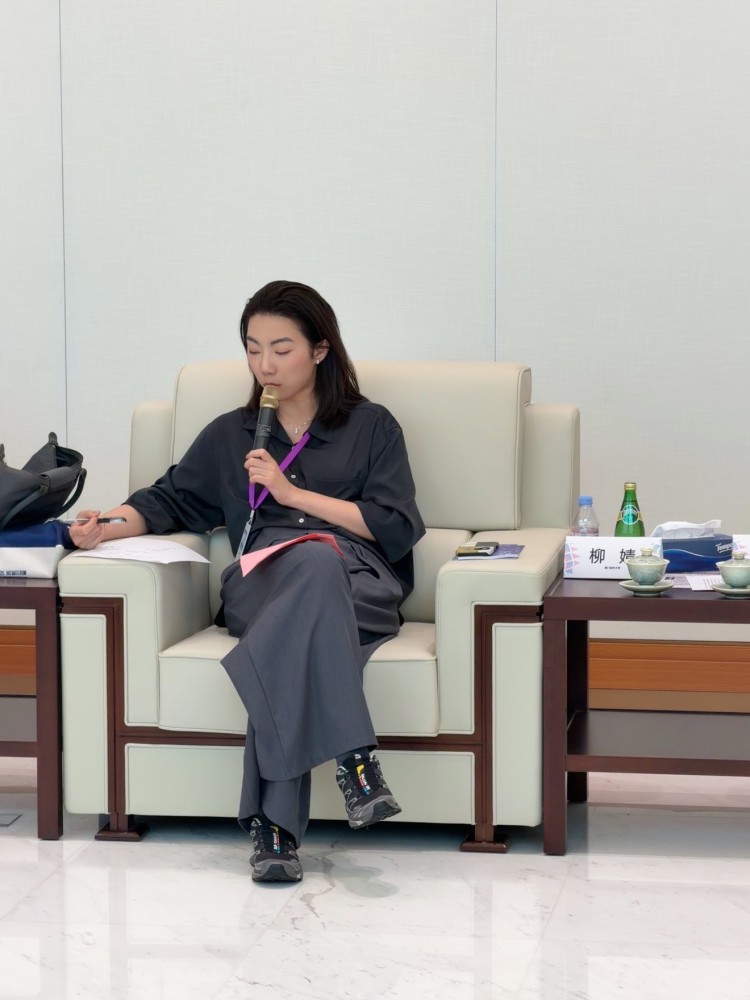
At the "2026 Shenzhen–Hong Kong–Macao Digital Design Future Development Industry–Academia–Research Exchange Forum" held in the afternoon, Assistant Professor Jing Liu was invited as a keynote speaker in the session "Cross-domain Collaboration: Building an AI-driven Design Ecosystem in Shenzhen, Hong Kong, and Macao". Together with representatives from academia and industry, she discussed paradigm shifts in design driven by artificial intelligence and pathways for regional collaborative development. As an important academic companion event to the Three-City Exhibition, the forum addressed key topics such as design ethics, AI responsibility, and cross-sector collaboration, aiming to promote high-quality development and enhance the international competitiveness of the digital design industry in the Greater Bay Area. Against the backdrop of AI evolving from a supporting tool to a native driving force, Shenzhen, Hong Kong, and Macao are leveraging Shenzhen's technological transformation capacity, Hong Kong's international art resources, and Macao's strengths in cultural tourism integration to accelerate the development of a globally competitive collaborative innovation system for digital design.
(1).png)
In this context of AI-driven transformation, the Faculty of Innovation and Design at City University of Macau, through joining the Global University Alliance and actively participating in a series of academic and exhibition activities, further demonstrated its academic strengths while continuing to advance the integration of design education and industry practice. These initiatives also provide critical support for future curriculum development. In particular, amid the deep integration of artificial intelligence and design, they lay a solid interdisciplinary and industry–academia foundation for the upcoming Master's and PhD programs in Intelligent Interaction Design. These efforts aim to cultivate future-oriented innovative design talents and inject new momentum into the development of the Greater Bay Area's design ecosystem and its internationalization.
.JPG)
