
 E-mail
 TronClass teaching system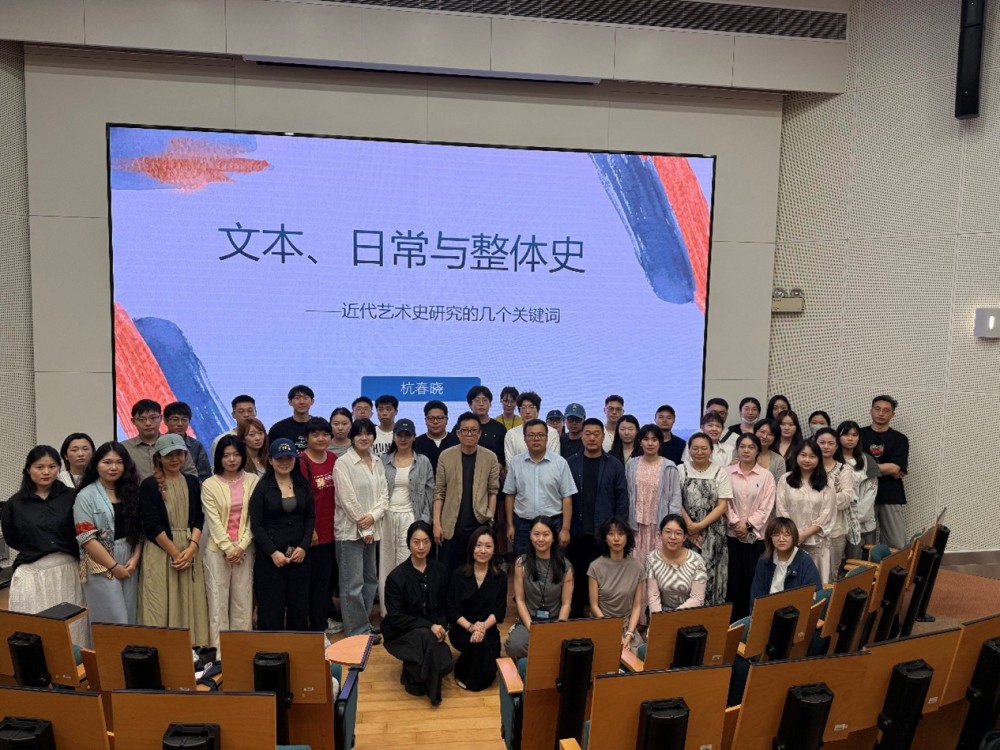
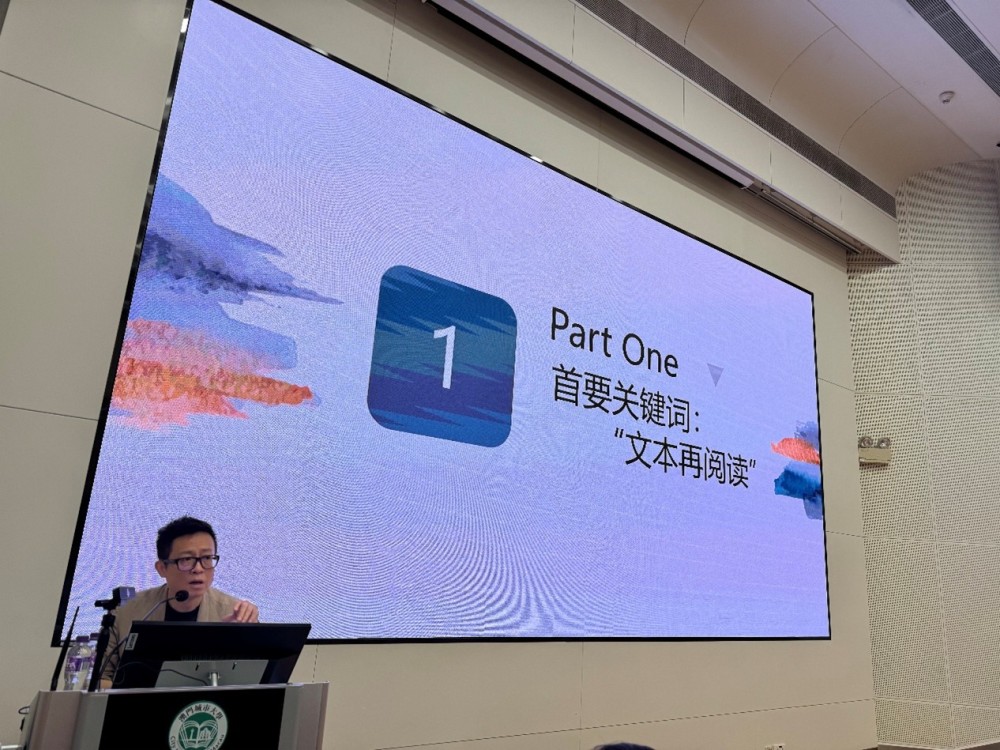
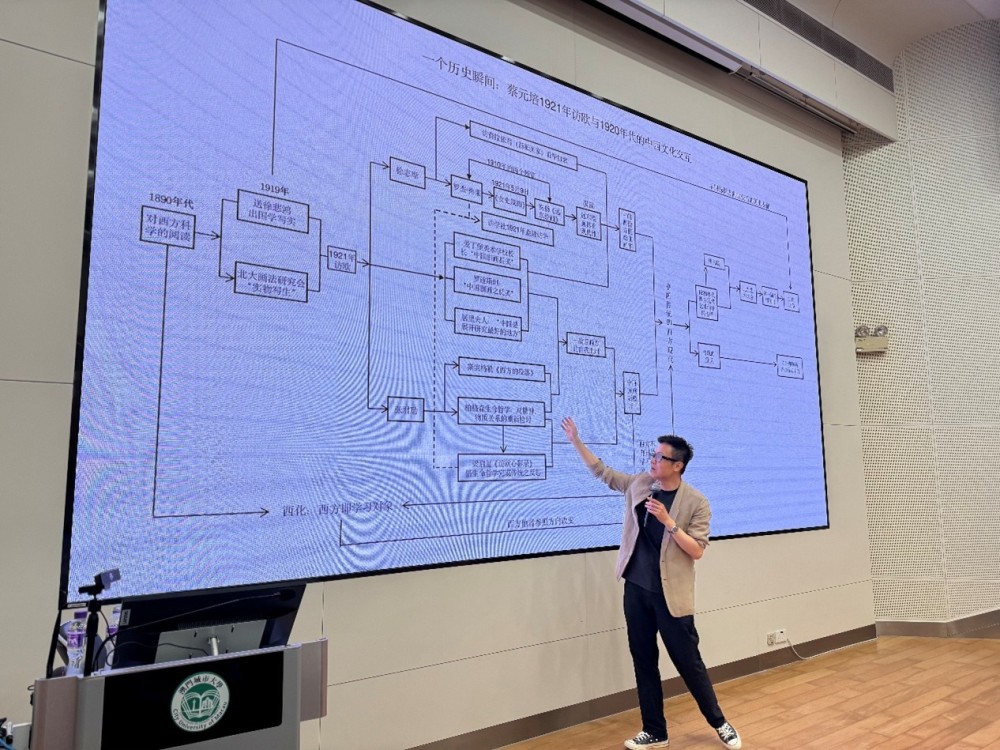
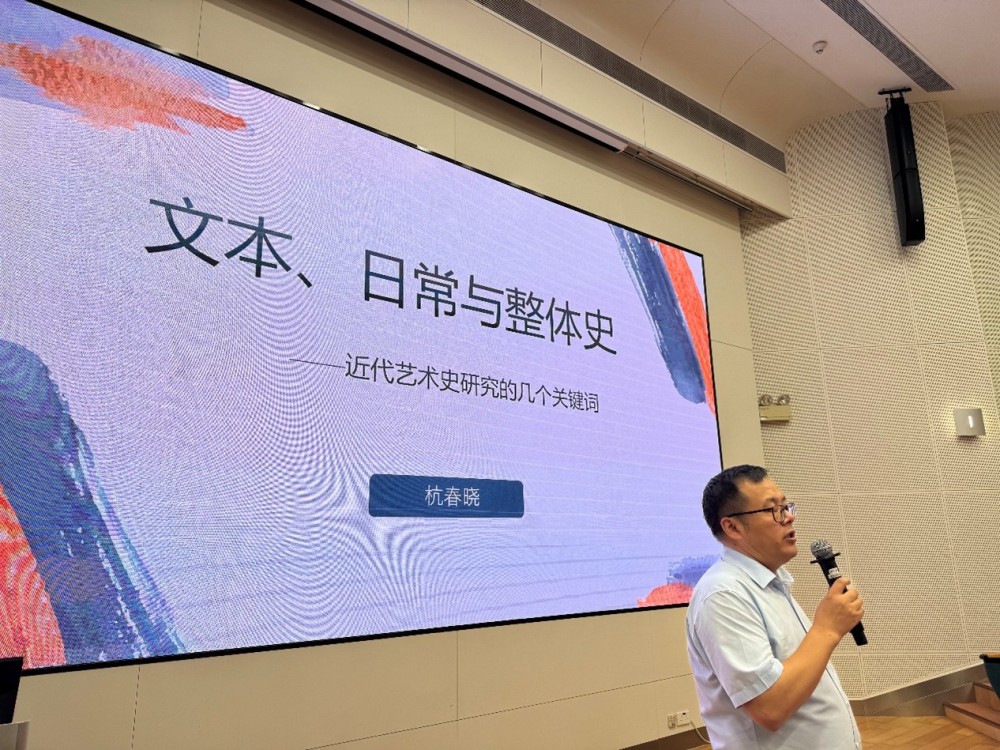
To further broaden the academic horizons of faculty and students and deepen their understanding of research methods in modern art history, the Faculty of Innovation and Design invited Professor Hang Chunxiao from the Chinese National Academy of Arts to deliver a special academic lecture on the afternoon of April 21. Hosted by Mr. Xie Shengming, the lecture was titled Text, Everyday Life, and Total History: Several Keywords in the Study of Modern Art History and attracted a large audience of faculty and students. Focusing on methodological shifts and expanded perspectives in modern art history, the lecture combined theoretical depth with a strong problem-oriented approach and generated lively academic exchange on site.
During the lecture, Professor Hang drew on his long-term research experience to offer a systematic discussion of several core issues in modern art history, approaching the topic from the perspectives of textual interpretation, everyday life, and the construction of a total-history framework. He pointed out that texts are not only important source materials for art historical research, but also carry the narrative modes and value judgments of their own historical periods. Therefore, when working with documentary materials, researchers should not remain at the level of surface information alone, but should also attend to writing strategies, rhetorical forms, and underlying positions. Through such a rereading of texts, deeper historical threads obscured by surface narratives can be brought into view, thereby strengthening both the problem consciousness and methodological awareness of art historical research.
On this basis, Professor Hang further argued that art historical research should not focus solely on famous artists, major works, and significant events, but should also attend to the dimension of everyday life embedded within texts. In his view, seemingly minor social practices such as objects, customs, transactions, and interpersonal exchanges often serve as crucial clues for understanding the production, circulation, and reception of art. Taking everyday life as an entry point not only enriches the material basis of modern art historical research, but also enables scholars to reconsider the relationship between artistic phenomena and historical experience from a broader socio-cultural perspective.
Professor Hang also emphasized that modern art historical research needs to move beyond the limits of a single disciplinary perspective, placing art history within a broader historical context and fostering closer connections with social history, economic history, intellectual history, and related fields. Such a more inclusive vision of total history not only deepens understanding of the generation, transformation, and development of art, but also provides important inspiration for the renewal of contemporary art historical methodology. During the discussion session, faculty and students actively raised questions on methods of textual interpretation, the boundaries of using materials from everyday life, and practical difficulties in interdisciplinary research. Professor Hang responded to each question in detail, drawing on concrete research experience, and encouraged students to maintain a strong sense of inquiry, critical thinking, and an open intellectual horizon in their future study and research.
The lecture was rich in content, clearly structured, and both academically rigorous and intellectually inspiring. It not only deepened the Faculty's faculty and students' understanding of modern art historical methods, but also stimulated further reflection on the writing of art history and on possible research pathways. The event played a positive role in expanding academic horizons, fostering a strong scholarly atmosphere, and promoting academic exchange and disciplinary development within the Faculty.
Written by: Liu Xiao Fan
