
 E-mail
 TronClass teaching system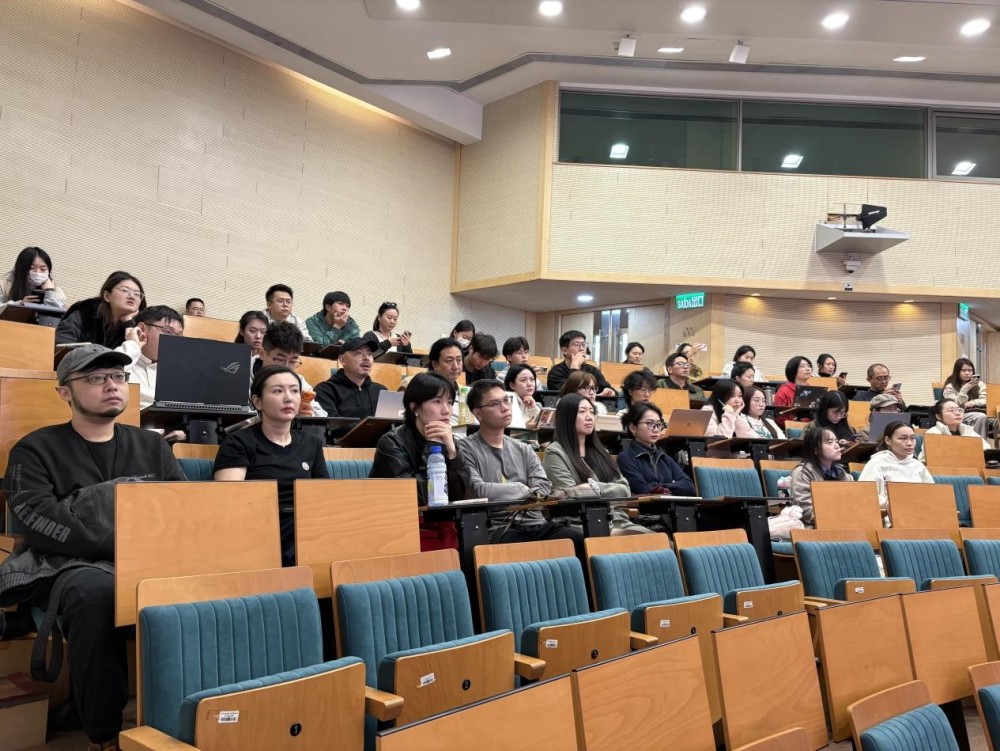
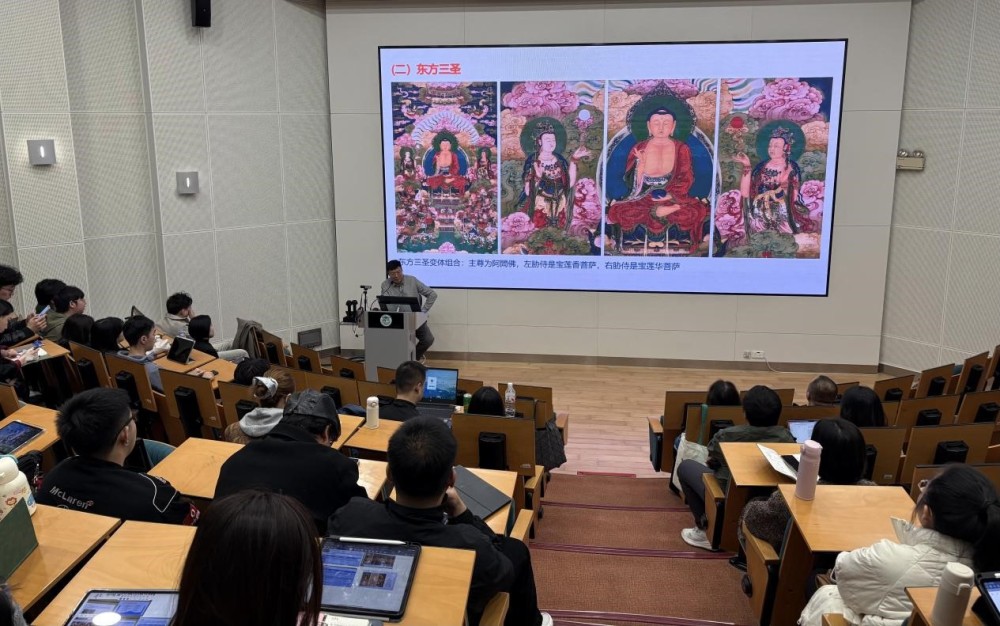
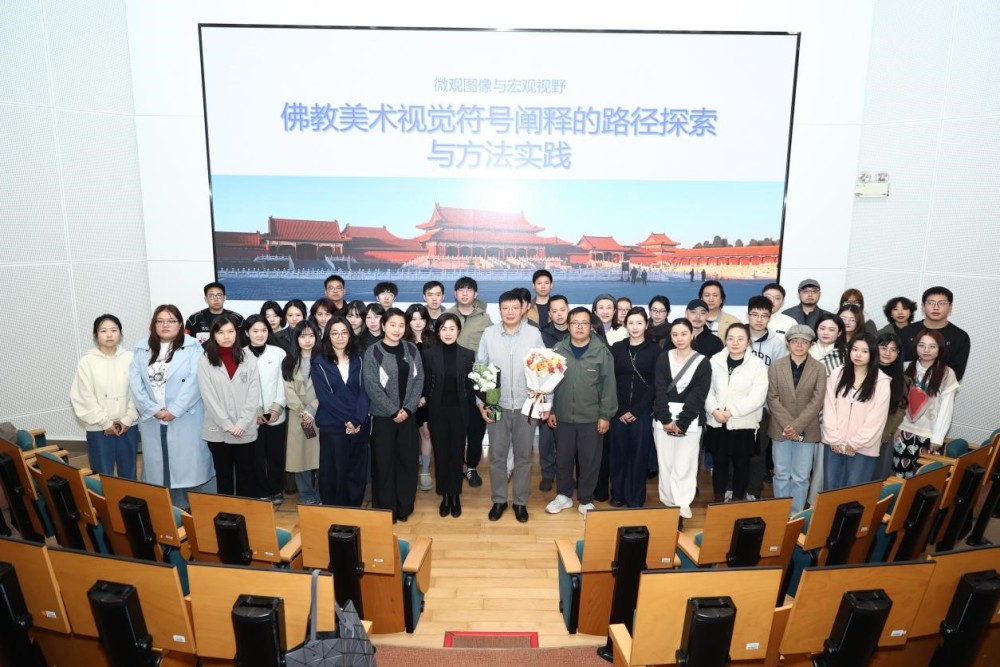
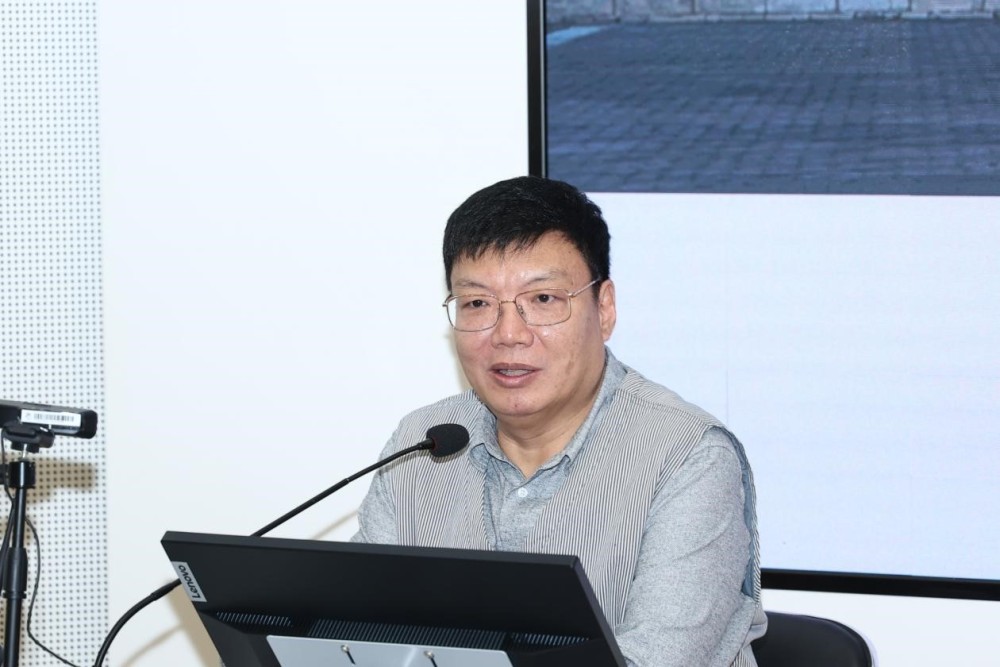
To systematically promote the transformation of the research methodology in art history into teaching practice, and to help young scholars achieve a two-way improvement in the depth of ancient painting research and teaching ability, the college recently invited Dr. Zhao Qiang, the first "Taihe Scholar" of the Palace Museum from Hong Kong and Macau, and a member of the expert group for the collection of cultural relics at the Shenyang Palace Museum, to visit. He delivered a deep sharing on the topic of "Microscopic Images and Macro Perspectives: Exploring the Path and Methods for Interpretation of Visual Symbols in Buddhist Art", attracting the participation of college teachers and students as well as researchers in the field of cultural heritage studies.
Dr. Zhao Qiang has been dedicated to the work of cultural relic collection and academic research since 1985. He has delved deeply into research areas such as the appraisal and identification of ancient calligraphy and painting and Buddhist cultural relics, as well as art theory, art market, and the scientific protection of cultural heritage. His academic resume is rich. To date, he has published 18 professional academic works and has published over 30 academic papers in the past five years. His research achievements have extensive academic influence in the field of cultural heritage and art history research.
Based on his over 40 years of academic accumulation and practical experience, Dr. Zhao proposed a dual-core research paradigm of "time style + multiple evidence method". He stated that ancient Chinese calligraphy and painting have long relied on the traditional paths of "eye identification experience" and "documentary verification", but when dealing with anonymous Buddhist paintings, which lack direct author information, subjective biases and broken evidence chains often occur. The core problem lies in the failure to establish a logical loop between "macro style orientation" and "micro evidence confirmation". This paradigm provides a scientific research path for the interpretation of Buddhist art visual symbols by systematically analyzing the artistic style evolution trajectory of Buddhist art in a specific historical period at the macro level, combined with technical means such as image decoration examination and material component analysis at the micro level, and constructing a complete system from academic verification to public dissemination for cultural heritage research.
This lecture is an important part of the 10th anniversary academic activities of the University of Macau's Innovation Design College. It not only brings high-level academic enlightenment to the teachers and students but also provides an operational practical path for the teaching transformation of the research methodology in art history. The event not only demonstrates the college's educational mission of deeply engaging in art design education and cultivating high-quality interdisciplinary talents, but also injects strong academic momentum into promoting traditional culture research and innovation in Macau. The academic host of this lecture, Assistant Professor Wang Zihui of the Innovation Design College, said that in the future, he will more frequently apply the dual-core paradigm to conduct systematic research on local calligraphy and painting cultural relics and cultivate "Comprehensive-Professionalization" talents with both research ability and communication thinking.
