
 E-mail
 TronClass teaching system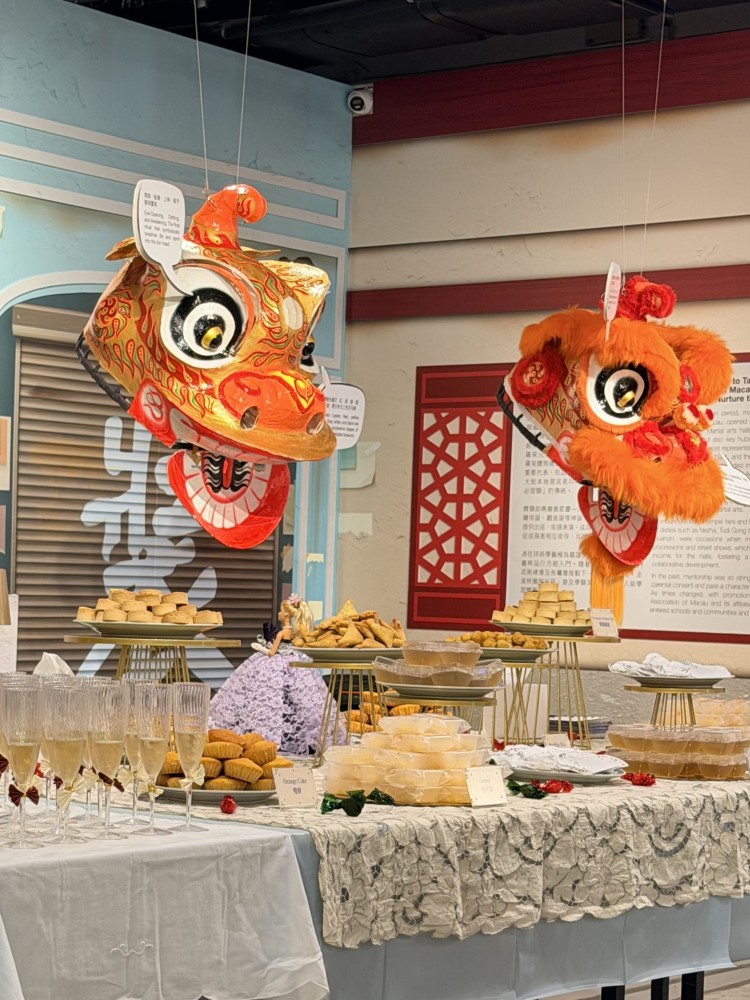
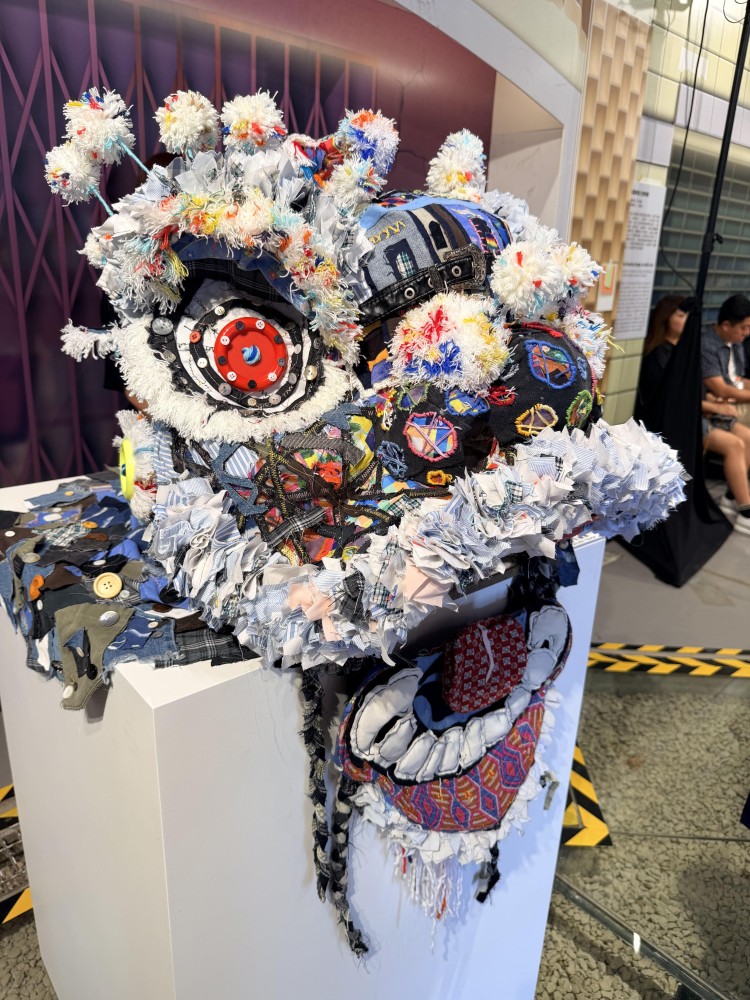
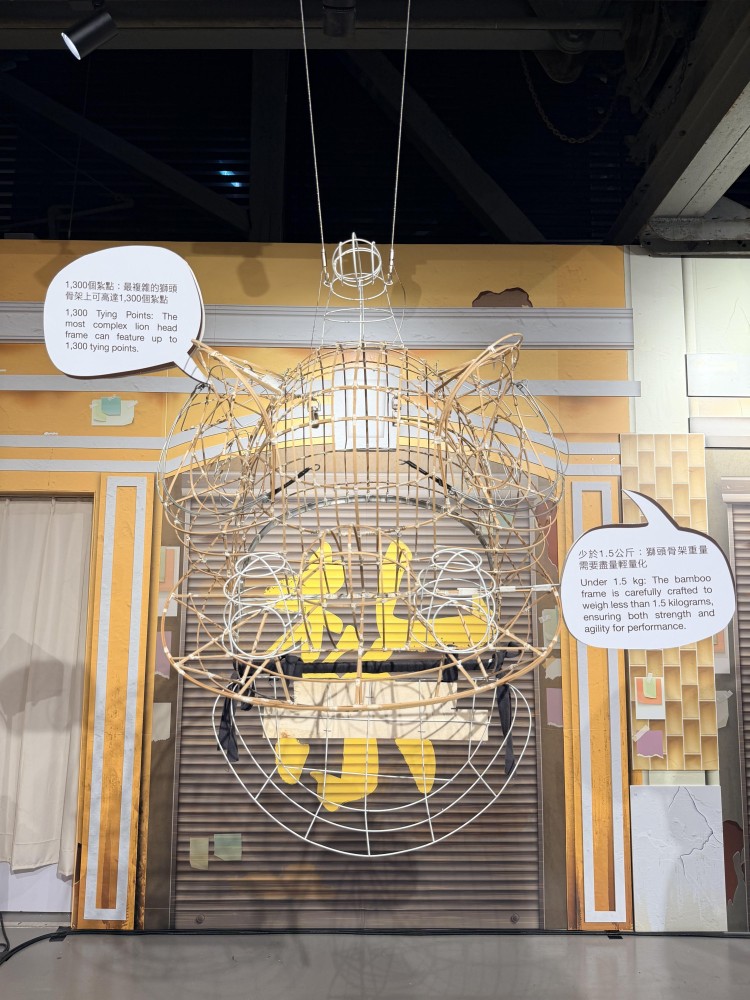
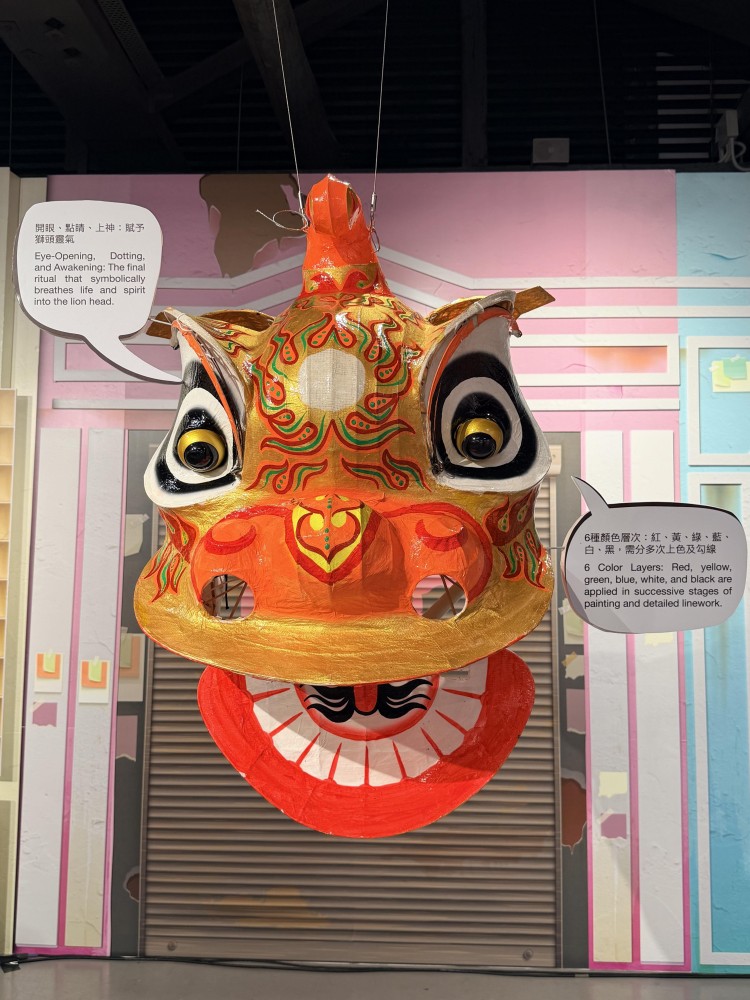
From 10 to 11 October, master's students from the Faculty of Innovation and Design (FIAD), City University of Macau, visited Navy Yard No. 1 in the Barra District to attend the intangible cultural heritage exchange activities of "Lion Dance Festival 2026". Hosted by MGM, the event interprets the inheritance of traditional Chinese lion‑dance culture through art and innovation. Featuring the exhibition "Lion Dance Culture in Chinese Life", inheritor sharing sessions and diverse on‑site experiences, it showcases the profound historical heritage, folk lineage and contemporary creative expressions of lion‑dance culture. Integrating local Macao intangible cultural heritage including the gastronomic culture of the Macanese and "Saltwater Songs", the activity guided students to reflect on pathways for the contemporary transformation of traditional culture from a design‑research perspective.
Students first toured the exhibition "Lion Dance Culture in Chinese Life", gaining in‑depth understanding of the rich connotations of lion‑dance culture embedded in folk customs and visual aesthetics. They then joined on‑site cultural experiences: guided by renowned Macanese chefs, students learned about the long‑standing "Chá Gordo" tradition of the Macanese community and its unique collective cultural memory. They also enjoyed introductions and live performances of Saltwater Songs, acquiring a multi‑faceted appreciation of Macao's intangible cultural heritage rooted in local lifestyles and vocal arts.
.jpg)
.jpg)
The highlight of the programme was "The Living Artifact — Lion Talk". Guest inheritors drew on their decades‑long professional experience to narrate the historical origins, craftsmanship and real‑world challenges of heritage transmission. They held in‑depth dialogues on how traditional culture can adapt to modern society, exploring ways to sustain craftsmanship via campus outreach, digital documentation and cross‑border artistic creation while preserving core handicraft techniques. The session showcased innovative practices including VR experiences, cultural‑and‑creative derivatives, robot lion‑dance performances and digital light‑and‑shadow shows, demonstrating great potential for integrating intangible heritage with technology, art and design.
.jpg)
Different guest speakers were featured over the two‑day Lion Talk session. On 10 October, the sharing was delivered by Siow Ho Phiew, founder of Wan Seng Hang Lion & Dragon Arts from Malaysia, and Zhao Weibin, national‑level representative inheritor of Guangdong Lion Dance. On 11 October, the stage was taken by Li Wanzhen, fifth‑generation inheritor of the time‑honoured "Li Family Lion" and national‑level representative inheritor of Foshan lion‑head craftsmanship, together with Hui Ka Hung, representative inheritor of Hong Kong paper craft and founder of Hung C Lau. Hailing from Malaysia, Guangzhou, Foshan and Hong Kong respectively, the four inheritors shared regional lion‑dance schools, lion‑head craftsmanship and local inheritance practices, helping students build cross‑regional insights into the diversity of lion‑dance culture.
.jpg)
For FIAD master's students, this activity offered valuable on‑site research opportunities that brought them into contact with Lingnan and Macao local intangible‑cultural‑heritage resources, while building a bridge linking cultural‑studies theory with design practice. Through exhibition visits and direct dialogues with cultural inheritors, students gained inspiration to reflect on how traditional heritage elements may be translated into contemporary design language, and what values technology, art and design can bring to cultural inheritance, creative reinterpretation and public communication.
The Faculty of Innovation and Design keeps strengthening connections between traditional culture, design innovation and social practice. By organising master's students to participate in "Lion Dance Festival 2026", the Faculty intends to broaden students' research horizons through immersive cultural contexts, deepen their comprehension of intangible‑heritage modernisation, and enrich their practical experience for future design research and creation.
.jpg)
.jpg)
Written by: Liu Honghe & Xue Zhitong, 2026 Master's Student in Design
