
 E-mail
 TronClass teaching system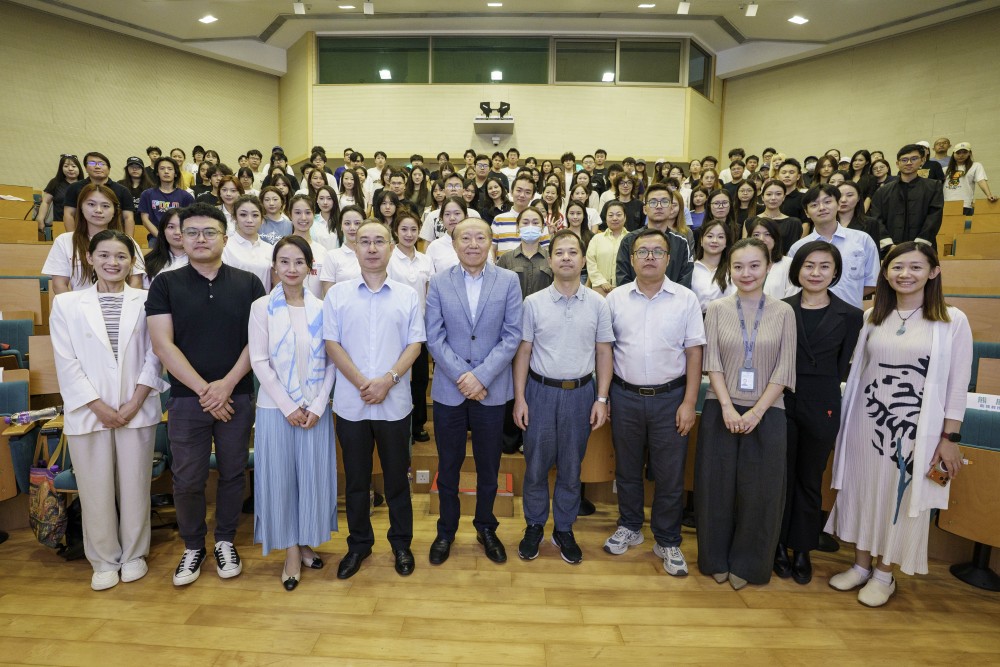
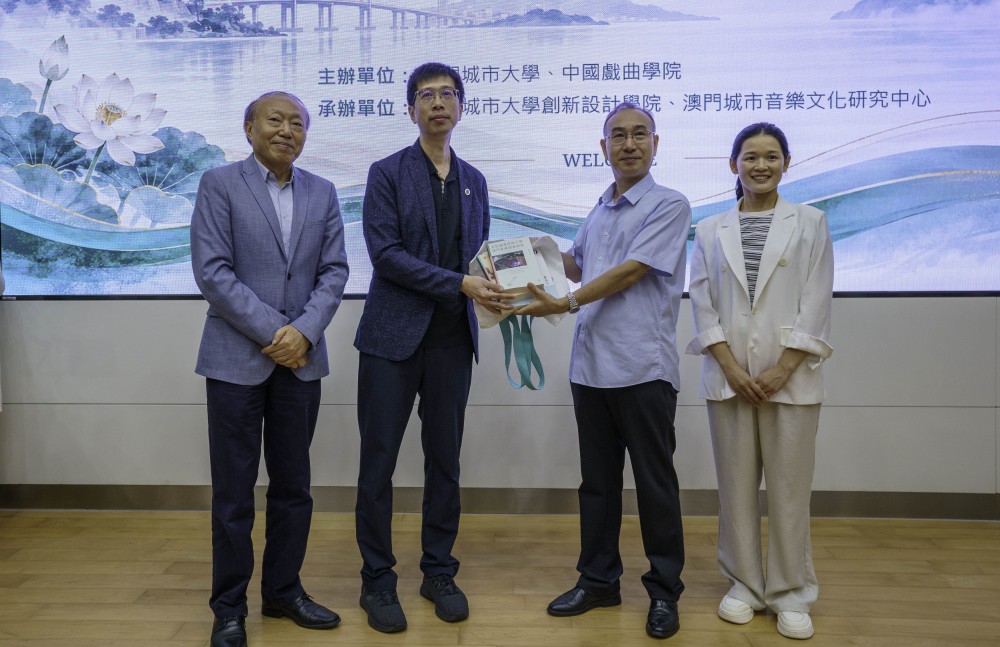
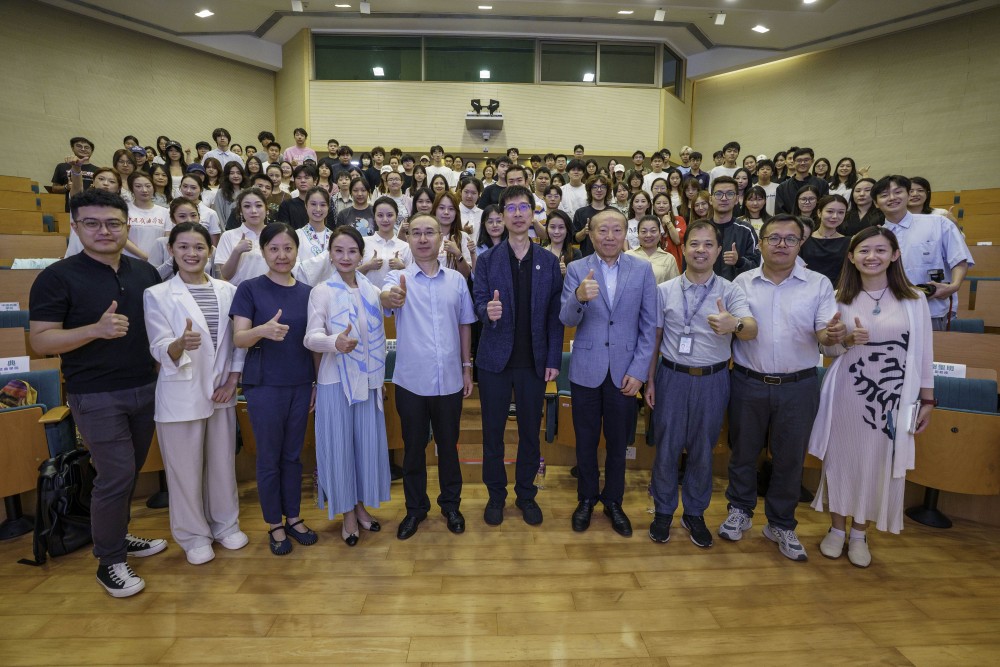
On 18 September 2026, "The Charm of Xiqu: Connecting Beijing and Macao" Beijing–Macao Youth Intercollegiate Exchange was held at the Ho Yin Convention Centre of City University of Macau. Guided by the Beijing Municipal Education Commission, the event was jointly hosted by City University of Macau and the National Academy of Chinese Theatre Arts (NACTA), and organized by the Faculty of Innovation and Design and the Macau Urban Music Research Center of City University of Macau. Professor Po-Hsun Wang, Executive Associate Dean of the Faculty of Innovation and Design; Professor Dai Dingcheng, Director of the Master's and Doctoral Programmes in Art Studies and Director of the Macau Urban Music Research Center; Assistant Professor I-Ian Long, Deputy Director of the Center; together with faculty members and students of the Art Studies programmes, attended the event.
During the Xiqu workshop, Professor Zhao Xihuai of NACTA traced the historical development of Xiqu and provided a systematic introduction to its major artistic characteristics, with particular emphasis on its integrative nature, conventionalized performance forms, and theatrical virtuality. Drawing on the traditional role types of Xiqu, he guided the audience towards a deeper understanding of its artistic forms and performance conventions. Lecturer Liao Qin of NACTA, together with students, complemented the presentation with live demonstrations from the perspectives of performance practice and teaching, vividly illustrating how Xiqu draws inspiration from life while transforming it through artistic expression.
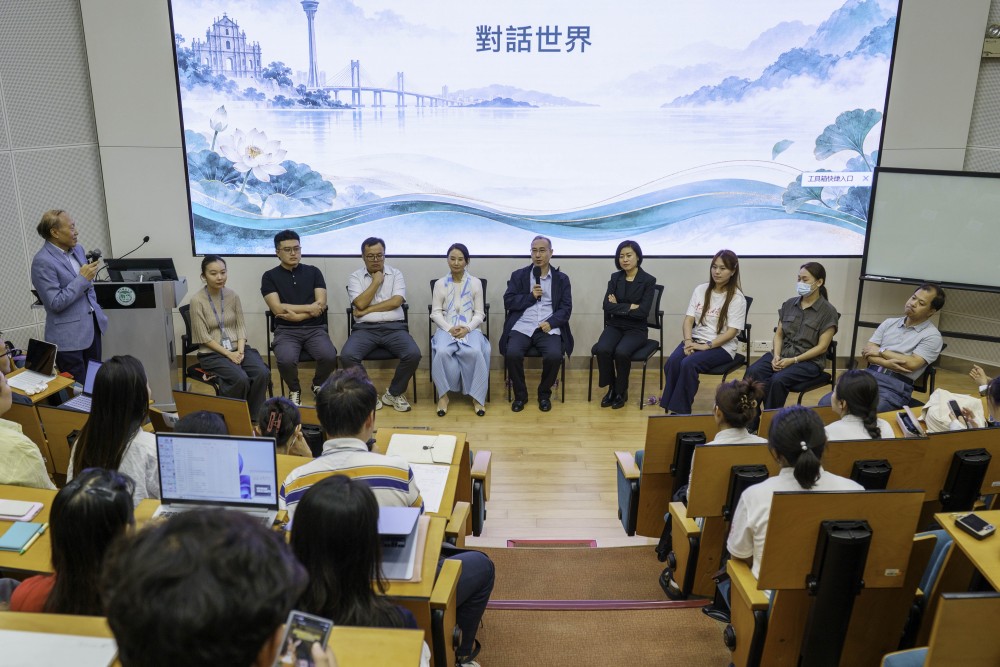
The afternoon roundtable was moderated by Professor Dai Dingcheng. Associate Professor Hongwei Yao, Associate Professor Shengming Xie, Assistant Professor Wang Ziwei, and Postdoctoral Researcher Lai Yafeng from City University of Macau, together with Lecturer Jin Dian and student Ji Junran from NACTA, shared their perspectives on the integration of Chinese and Western artistic traditions, digital performance, integrated-media communication, design transformation, cultural creativity, and the transmission of Xiqu. In the discussion that followed, Assistant Professor Yuan Xiong of City University of Macau also contributed insights from his own research and practice, further responding to and expanding on the issues raised. Audience members actively participated in the exchange, while faculty members and students from Beijing and Macao engaged in in-depth discussions on innovative forms of expression and communication for Xiqu in contemporary contexts.
In his concluding remarks, Professor Dai Dingcheng summarized the significance of the exchange through three interconnected dimensions: "technology, art, and scholarship". He expressed the hope that the event would serve as an opportunity to further deepen cooperation between Beijing and Macao in Xiqu arts, cultural heritage, and academic research, while giving fuller play to Macao's distinctive role as a platform for cultural exchange and promoting broader and deeper cultural and scholarly interaction.
The event further strengthened exchanges and collaboration between higher education institutions in Beijing and Macao. With Xiqu as a cultural bridge, it brought together the transmission of traditional culture, youth engagement, artistic innovation, and academic dialogue, contributing new momentum to the creative transformation and innovative development of outstanding traditional Chinese culture, while opening up further possibilities for cultural and scholarly exchange across different regions.
